Mastering Neapolitan Margherita: Dough, Oven & Launch Secrets
There’s a profound beauty in simplicity, and nowhere is this more evident than in the exquisite world of
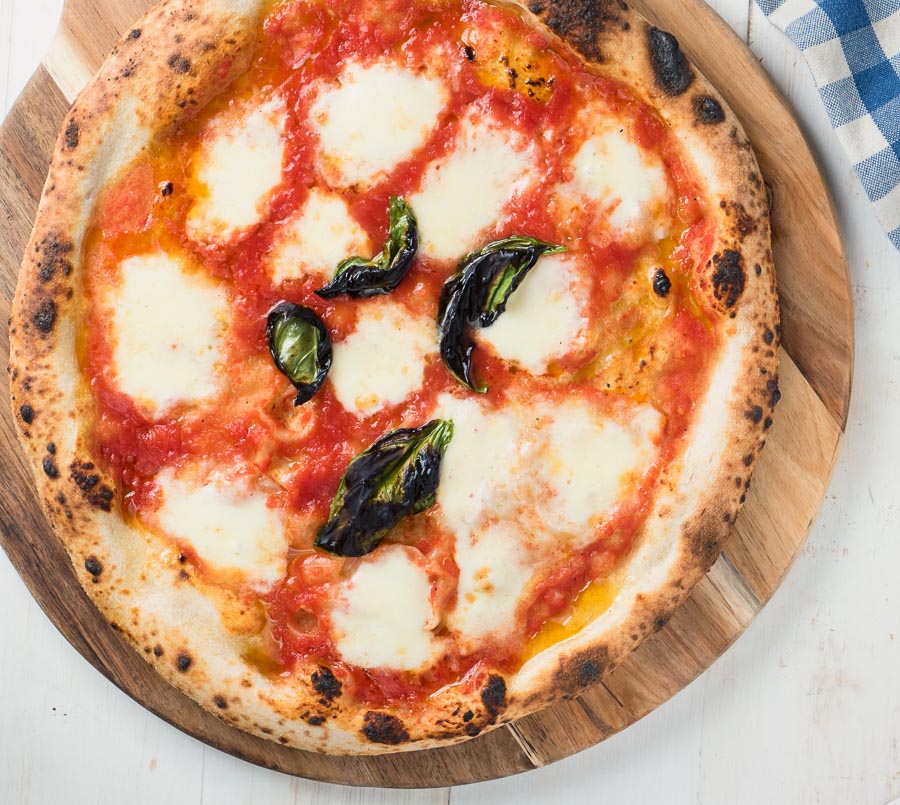
pizza margherita neapolitan style. It’s a dish of such delicate balance that every element must sing in perfect harmony. Far from being "just a cheese pizza," the Neapolitan Margherita is a culinary masterpiece, transforming a handful of humble ingredients – tomato, fresh mozzarella, basil, olive oil, and exceptional dough – into something unexpectedly, almost magically, delicious. There’s nowhere to hide with so few components; each one must be utterly perfect.
The journey to crafting this iconic pizza at home is one of passion, patience, and precision. It’s a pursuit that promises unparalleled satisfaction, allowing you to create a pie that often surpasses what you might find in many pizzerias. Let’s unlock the secrets to achieving Neapolitan perfection, from the foundational dough to the crucial oven launch.
The Soul of the Pie: Mastering Neapolitan Dough
At the very core of any great pizza, especially
pizza margherita neapolitan style, lies the dough. A bland or improperly made crust will invariably lead to a disappointing pizza, regardless of the quality of your toppings. Neapolitan pizza dough, by tradition, adheres to a strict four-ingredient recipe: flour, water, salt, and yeast. That’s it. This minimalism demands an uncompromising focus on quality and technique.
The flour of choice is typically Italian "Tipo 00." This finely milled soft wheat flour has a lower protein content compared to standard all-purpose flours, which is ideal for creating a dough that is both incredibly soft and extensible. It allows for a delicate, airy crust (the *cornicione*) that cooks rapidly at high temperatures without becoming overly crispy or tough. The specific characteristics of Tipo 00 flour contribute significantly to that quintessential chewy, yet tender, texture that defines authentic Neapolitan pizza.
Hydration levels (the ratio of water to flour) are critical, usually ranging from 58-65%. Achieving the right consistency involves careful mixing and kneading to develop the gluten structure, which gives the dough its elasticity. After mixing, a slow fermentation process – often involving a cold proof in the refrigerator for 24-72 hours – is essential. This extended period allows enzymes to break down starches, developing complex flavors and making the dough more digestible. Once fermented, the dough is gently divided and shaped into individual balls, ready for stretching.
And speaking of stretching, remember this cardinal rule: *never use a rolling pin*. Rolling pushes the air out of the edges, collapsing the potential for that beautiful, airy *cornicione*. Instead, learn to open your dough by hand, gently working from the center outwards, preserving the delicate air pockets around the rim. This artisanal approach is a fundamental step in achieving the desired texture and visual appeal of your Neapolitan masterpiece. For more in-depth techniques, you might find valuable insights in this article:
Secrets to Authentic Neapolitan Margherita Pizza at Home.
Simplicity Perfected: The Sauce & Cheese Essentials
With the dough as your canvas, the focus shifts to the toppings – equally simple, yet equally crucial for an authentic
pizza margherita neapolitan style.
The Pure Tomato Sauce
Neapolitan pizza sauce is an exercise in minimalist perfection. It consists of just two ingredients: San Marzano tomatoes and a pinch of salt. That's truly all it needs. San Marzano tomatoes, grown in the Agro Sarnese-Nocerino region of Italy, are renowned for their sweet flavor, low acidity, and thick, pulpy flesh. They are the gold standard for Neapolitan pizza.
To prepare the sauce, simply pass a can of whole, peeled San Marzano tomatoes through a food mill or gently crush them by hand. Then, stir in a teaspoon of fine sea salt or kosher salt. That's it. No cooking, no garlic, no oregano, no fancy herbs. The goal is to celebrate the pure, vibrant flavor of the tomato. This unadulterated approach delivers a fresh, tangy foundation that balances beautifully with the rich cheese and earthy basil.
The Fresh Mozzarella
For the cheese, only fresh mozzarella will do. Forget the low-moisture, brick varieties you find in most supermarkets for other pizza styles; they simply won't yield the right texture or melt for a true Neapolitan Margherita.
The ultimate choice is *Mozzarella di Bufala Campana*, made from the milk of water buffalo. It's exquisitely delicate, with a rich, milky flavor and a higher moisture content that melts into creamy pools. While often expensive and sometimes hard to source, it delivers an unparalleled authentic experience.
A widely accepted and excellent substitute is *Fior di Latte*, which is fresh mozzarella made from cow's milk. It’s more readily available, more affordable, and still provides that essential fresh, mild flavor and soft, appealing melt. Regardless of your choice, ensure you drain the mozzarella well and tear or slice it into pieces just before topping your pizza to avoid excess moisture making your crust soggy.
Finally, fresh basil leaves (torn or left whole) are scattered on top, typically after the pizza has baked or towards the very end, to preserve their vibrant color and delicate aroma. A final drizzle of high-quality extra virgin olive oil before or after baking adds a fruity, peppery note that ties all the simple flavors together.
The Heat Factor: Oven Setup for Neapolitan Perfection
Perhaps the single most challenging aspect of recreating an authentic
pizza margherita neapolitan style at home is achieving the intense heat required for its characteristic rapid bake. Neapolitan pizza isn't baked in a conventional kitchen oven; it’s cooked at extreme temperatures, typically between 750°F and 900°F (400°C and 480°C), in a matter of 60-90 seconds.
This high heat is essential for several reasons: it causes the dough to puff up almost instantly, creating a light, airy *cornicione* with beautiful leopard-like charring; it melts the cheese quickly without drying it out; and it prevents the dough from becoming stiff or cracker-like.
To achieve these temperatures at home, you’ll almost certainly need a dedicated pizza oven. Fortunately, the market now offers a range of reasonably low-cost options, from compact wood-fired ovens to gas and electric models. When selecting an oven, look for one that provides heat from both above and below. Without sufficient heat from the top, you risk burning the bottom of your pizza to a crisp while the toppings remain undercooked or the crust fails to rise properly. The intense top heat is what creates that beautiful, blistered, and airy *cornicione* that is the hallmark of Neapolitan pizza.
Preheating your oven and pizza stone or steel for an extended period (often 20-30 minutes) is crucial to ensure it reaches and maintains the necessary high temperatures for a perfect, even bake.
The Grand Finale: Perfecting the Pizza Launch
The moment of truth arrives when your perfectly topped pizza needs to be transferred from the peel into the scorching oven. This "launch" is often cited as the hardest part of the process, a high-stakes maneuver that can make or break your pizza.
Preparation is key: liberally flour your pizza peel (a mix of semolina and 00 flour works wonders) to create a non-stick surface. Quickly and efficiently dress your pizza on a lightly floured countertop, then swiftly transfer it to the prepared peel. Take a second to gently reshape it if necessary, ensuring it’s perfectly round and centered.
Now, move quickly! The longer your pizza sits on the peel, the more likely it is to absorb moisture from the dough and stick, leading to a frustrating, collapsed mess in the oven. The launch itself requires a confident, swift motion. Position the peel at the back of your hot oven, tilt it down, and with a decisive jiggle-and-pull motion, slide the pizza off the peel and onto the hot stone.
Hesitation is your enemy here. A slow, jerky launch can cause the dough to contract and shrink, making it thicker and harder to cook through evenly. It’s a leap of faith, requiring belief that your pizza won't stick and that you won't destroy your creation. Practice makes perfect – some enthusiasts even practice with a simple disc of dough on a floured peel to master the motion before committing their perfectly dressed pizza. Understanding
Neapolitan Margherita: The Art of Simple, Perfect Pizza truly culminates in this final, delicate step.
Conclusion
Creating an authentic
pizza margherita neapolitan style at home is a rewarding culinary adventure. It’s a testament to the idea that true deliciousness often lies in unwavering simplicity and meticulous execution. By focusing on exceptional dough, using only the purest, highest-quality ingredients for your sauce and cheese, harnessing the power of extreme heat, and mastering the crucial oven launch, you can consistently produce a pizza that embodies the magic of Naples. It’s a journey of continuous learning and refinement, but one that promises the ultimate reward: a beautifully charred, impossibly airy, and profoundly flavorful pizza that will convert anyone to the cult of Neapolitan perfection.