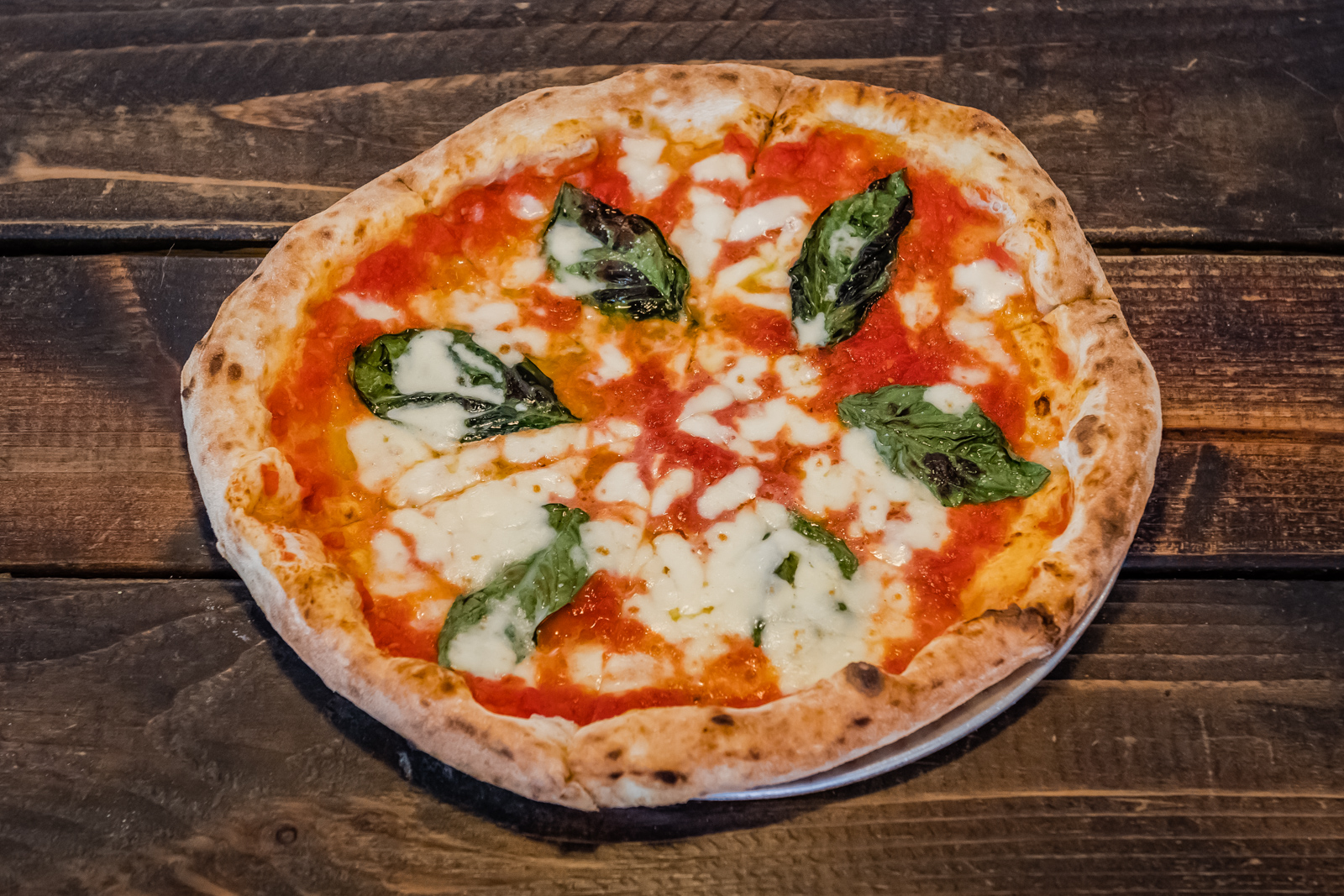
The culinary world is filled with complex dishes, but sometimes, the greatest magic lies in simplicity. Such is the case with Neapolitan Margherita: The Art of Simple, Perfect Pizza. Often hailed as the "ultimate pizza," the Neapolitan Margherita is a masterpiece of minimalist perfection. It's an unexpectedly profound experience built on just a handful of exquisite ingredients: vibrant tomato sauce, creamy fresh mozzarella, aromatic basil, and a drizzle of the finest olive oil, all resting on a perfectly crafted dough. There's nowhere for imperfections to hide, making the pursuit of authentic pizza margherita neapolitan style at home both a challenge and an immensely rewarding journey.
For many, the idea of recreating this delicate, almost ethereal pizza outside of Naples feels daunting. Yet, with the right approach and a dedication to quality ingredients, you can unlock the secrets to a truly sensational Margherita in your own kitchen. This isn't just a cheese pizza you'd feed to kids; it's a testament to how seemingly uninteresting components can combine to create something absolutely delicious—a true culinary magic trick.
The Soul of Neapolitan Margherita: Unveiling Simplicity's Magic
The inherent beauty of pizza margherita neapolitan style lies in its stark simplicity. This isn't about piling on toppings; it's about showcasing the individual brilliance of each element and how they harmoniously intertwine. Every ingredient must be at its peak, because with so few components, any flaw is immediately apparent. The delicate balance of sweet tomatoes, salty cheese, herbaceous basil, and a whisper of peppery olive oil over a chewy, airy crust creates a flavor profile that is both surprising and deeply satisfying. It's this unexpected depth from humble origins that makes Neapolitan Margherita so captivating and worth every effort to perfect at home.
Crafting the Perfect Foundation: The Neapolitan Dough
At the very heart of any great pizza, especially a Neapolitan Margherita, is the dough. A bland or improperly made dough will doom your pizza from the start, as there's simply no way to mask its shortcomings. Neapolitan pizza dough is remarkably straightforward, containing only four fundamental ingredients: flour, water, salt, and yeast. That's it. However, the simplicity of the recipe belies the mastery required to truly perfect it.
- Flour: The traditional choice is "Tipo 00" flour, an Italian milling designation that indicates a very fine grind and lower protein content compared to most all-purpose flours. This specific flour yields a dough that is silky smooth, incredibly elastic, and capable of achieving that signature light, airy, and chewy texture with a delicate crispness.
- Water: The hydration level of your dough (the ratio of water to flour) is crucial. Typically, Neapolitan doughs hover around 55-65% hydration, impacting the dough's workability and the final texture of the crust.
- Salt: Essential for flavor and for controlling yeast activity. Kosher or fine sea salt is preferred.
- Yeast: Whether fresh cake yeast or active dry yeast, a small amount is all that's needed for a slow, controlled fermentation process.
Learning to make this dough is a journey, not a single recipe. It involves understanding hydration, proper kneading techniques to develop gluten, and most importantly, patient fermentation. Many pizzaiolos advocate for a long, cold fermentation (24-72 hours in the refrigerator) which develops complex flavors and makes the dough incredibly digestible. Once mastered, you'll be able to create a base far superior to anything you can buy.
When it comes to shaping, remember this cardinal rule: do not use a rolling pin. Rolling pushes the precious air out of the edges of the dough, which are essential for forming the puffy, airy, and slightly charred rim known as the "cornicione." Instead, open your dough by hand, gently stretching it from the center outwards, preserving those airy pockets. For an even deeper dive into this crucial element, consult resources like Mastering Neapolitan Margherita: Dough, Oven & Launch Secrets, which provides invaluable insights into dough preparation and handling.
The Purest Flavors: Sauce and Cheese
Just like the dough, the sauce and cheese for your pizza margherita neapolitan style adhere to the "less is more" philosophy, prioritizing unadulterated flavor and premium quality.
The Uncooked Tomato Sauce
Authentic Neapolitan pizza sauce is an exercise in pure tomato flavor. The secret lies in just two ingredients: San Marzano tomatoes and a pinch of salt. That's truly it – nothing more. These specific tomatoes, grown in the volcanic soil around Mount Vesuvius, are renowned for their sweet, balanced flavor and low acidity. Look for cans bearing the "D.O.P." (Denominazione d'Origine Protetta) certification, guaranteeing their authenticity and quality. The preparation is equally simple:
- Pour a can of whole peeled San Marzano tomatoes into a food mill to remove seeds and skins, or simply hand-crush them for a slightly more rustic texture.
- Stir in about a teaspoon of kosher or fine sea salt per can.
- Do NOT cook the sauce. The fresh, vibrant flavor of the uncooked tomatoes is integral to the Neapolitan experience, caramelizing beautifully in the high heat of the oven.
Many home cooks are tempted to add garlic, oregano, or other spices, but for a true Neapolitan Margherita, resist the urge. You will be converted by the sheer purity of this simple, delicious sauce.
The Essential Fresh Mozzarella
Fresh mozzarella is absolutely non-negotiable for a perfect Neapolitan Margherita. Forget the dry, pre-shredded, or block mozzarella; these simply won't yield the desired creamy texture or melt properly. You have two primary options:
- Mozzarella di Bufala Campana: This is the gold standard, made from buffalo milk. It's incredibly creamy, slightly tangy, and melts into beautiful, luscious pools. While more expensive and sometimes harder to find, it delivers the ultimate authentic experience.
- Fior di Latte: Made from cow's milk, fior di latte is an excellent and more accessible substitute. It's still fresh, moist, and melts wonderfully, offering a clean, milky flavor. Many professional pizzerias use fior di latte regularly, and customers often don't notice the difference.
Whichever you choose, preparation is key: Fresh mozzarella contains a lot of moisture. To avoid a soggy pizza, tear the cheese into bite-sized pieces and let them drain on paper towels for at least 30 minutes, or even an hour, pressing gently to extract excess liquid. This crucial step ensures a beautiful melt without oversaturating your crust.
The Fiery Heart: Baking Your Margherita at Home
The final, critical component of authentic pizza margherita neapolitan style is the bake. Traditional Neapolitan pizzas are fired in blistering hot, wood-burning ovens at temperatures ranging from 750°F to 900°F (400°C-480°C), cooking in a mere 60-90 seconds. This extreme heat is responsible for the characteristic airy, leopard-spotted crust, the quick melting of the cheese, and the slight charring that adds depth of flavor.
Reaching these temperatures in a standard home kitchen oven (which typically maxes out at 500-550°F or 260-290°C) is challenging. This is why a dedicated pizza oven is increasingly popular for home enthusiasts. There are many reasonably low-cost options on the market today—gas, wood-fired, or electric models from brands like Ooni or Gozney—that can achieve the necessary high temperatures. When selecting an oven, look for one that provides heat from both above and below. Without adequate top heat, you risk burning the bottom of your pizza to a crisp while the toppings remain undercooked and the crust doesn't puff properly.
If a dedicated pizza oven isn't an option, you can still improve your home oven results significantly by using a pizza steel or thick pizza stone, preheating it for at least an hour at your oven's highest temperature, and then engaging the broiler during the bake. This helps simulate some of that crucial top-down heat.
The Launch: A Leap of Faith
Once your dough is dressed with sauce, cheese, and basil, the moment of truth arrives: the launch into the oven. This is often the hardest part for beginners. Flour your pizza peel generously (semolina flour works exceptionally well, as it acts like tiny ball bearings). Quickly slide the pizza onto the peel, give it a quick reshape if needed, and then move with purpose. The longer the pizza sits on the peel, the more likely it is to stick—and a stuck pizza is a disaster in the making.
The launch itself is a swift, confident motion, a true leap of faith. You need to believe your pizza won't be destroyed. If you jiggle the peel or hesitate, the pizza can contract, shrink, and become misshapen or thicker than desired, leading to uneven cooking. A smooth, decisive shove is required to slide the pizza off the peel and directly onto the hot baking surface. Practice this motion with a piece of parchment paper or a dummy dough before attempting it with your precious Margherita.
Assembling Your Masterpiece
Once your dough is open, spread the uncooked San Marzano tomato sauce thinly, leaving a small border for the cornicione. Evenly distribute the drained mozzarella pieces. Finally, tuck a few fresh basil leaves here and there, and drizzle generously with high-quality extra virgin olive oil. Some prefer to add all the basil after baking to preserve its vibrant green color and fresh flavor, while others enjoy the slight crisping and intensified aroma of baked basil. Experiment to find your preference!
With these elements perfectly aligned and your oven at screaming hot temperatures, you're ready to create an authentic pizza margherita neapolitan style that will impress and delight.
Mastering the art of pizza margherita neapolitan style at home is a rewarding culinary adventure. It’s a journey that emphasizes patience, precision, and an unwavering commitment to quality ingredients over complexity. Each element—from the perfectly fermented dough to the pure tomato sauce, the fresh mozzarella, and the blistering hot bake—plays a critical role in creating that delicate, unexpectedly delicious experience. Don't be discouraged by initial challenges; practice makes perfect, and with every pizza you launch, you'll get closer to that authentic taste of Naples. Embrace the simplicity, savor the process, and soon you'll be enjoying the magic of your very own homemade Neapolitan Margherita.
