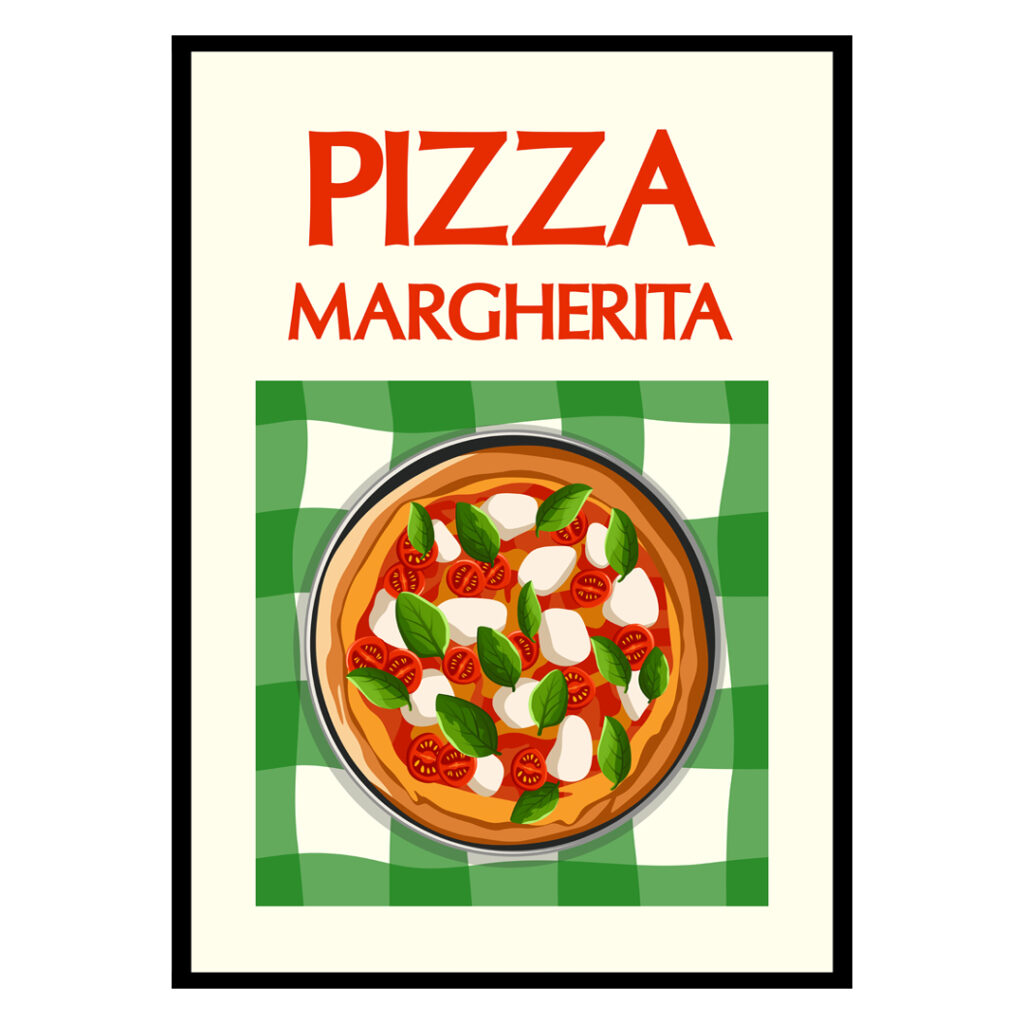
The culinary world is full of intricate dishes, but sometimes, true genius lies in simplicity. Few culinary creations embody this principle as perfectly as the pizza margherita neapolitan style. Far from being "just a cheese pizza," the Neapolitan Margherita is a delicate symphony of pure flavors, where every ingredient must be impeccable because there is nowhere to hide. It's a dish that surprises with its profound deliciousness, turning seemingly uninteresting components into an unexpectedly sublime experience. This is the magic of true Neapolitan pizza – an art form dedicated to simple, perfect pizza.
The Unassuming Brilliance of Neapolitan Margherita
At its heart, the Neapolitan Margherita is a testament to the philosophy of "less is more." Born in Naples, Italy, in honor of Queen Margherita of Savoy, its iconic red (tomato), white (mozzarella), and green (basil) colors represent the Italian flag. But beyond its patriotic symbolism, its enduring appeal lies in its unwavering commitment to quality and tradition. Unlike many modern pizzas overloaded with toppings, the Neapolitan style strips everything back to the essentials, challenging the pizzaiolo to extract maximum flavor from minimal elements. This intentional minimalism makes the Margherita surprisingly delicate, almost ethereal, allowing the natural goodness of each component to shine through and blend into a harmonious, unforgettable taste.
The Four Pillars of Perfection: Ingredients Masterclass
Crafting an authentic pizza margherita neapolitan style begins and ends with its ingredients. Sourcing the right components and understanding their role is paramount to achieving that magical balance.
The Foundation: Neapolitan Pizza Dough
Everything starts with the dough. A bland or improperly made dough spells doom for even the finest toppings. True Neapolitan pizza dough is remarkably simple, consisting of just four ingredients: Tipo 00 flour, water, salt, and yeast. However, simplicity belies complexity. Mastering this dough is a journey, requiring patience and a deep understanding of hydration, fermentation, and handling. The Tipo 00 flour, finely milled with a lower protein content than many North American flours, is crucial for achieving the characteristic chewy yet light crust, often adorned with beautiful leopard spots and a pillowy, airy "cornicione" (rim). This unique texture and flavor, developed through slow fermentation, is what sets a Neapolitan pizza apart. It’s the base upon which all other perfection is built. For an in-depth dive into achieving this crucial step, don't miss our detailed guide on Mastering Neapolitan Margherita: Dough, Oven & Launch Secrets.
The Heartbeat: Pure San Marzano Tomato Sauce
The sauce for a Neapolitan Margherita is another exercise in pure elegance: simply the best San Marzano tomatoes and a pinch of salt. That's it. No cooking, no garlic, no oregano, no sugar. Genuine San Marzano tomatoes, cultivated in the Agro Sarnese-Nocerino region of Italy, are prized for their balanced sweetness, low acidity, and rich, vibrant flavor. To prepare, merely pass whole peeled San Marzano tomatoes through a food mill to remove seeds and skins, then stir in a teaspoon of kosher or sea salt. The uncooked nature of the sauce preserves the fresh, bright taste of the tomatoes, allowing it to caramelize and intensify subtly in the intense heat of the pizza oven. Trust us, once you taste this unadulterated tomato essence, you'll be a convert.
The Creamy Crown: Fresh Mozzarella
The choice of cheese is critical and non-negotiable for a truly authentic Neapolitan pizza. Fresh mozzarella is key, and it comes in two primary forms for this application. The ultimate choice, though often expensive and challenging to find, is Mozzarella di Bufala Campana DOP, made from the milk of water buffalo. Its creamy texture and delicate, tangy flavor are unparalleled. A more accessible and equally delicious alternative is Fior di Latte, a fresh mozzarella made from cow's milk. It melts beautifully, offers a slightly firmer texture, and is widely available. Whichever you choose, ensure it's fresh, stored in brine, and ideally torn into pieces rather than sliced, to distribute evenly and prevent excessive moisture release. Crucially, avoid dry, low-moisture mozzarella blocks at all costs; they simply will not yield the desired creamy, molten result characteristic of a Neapolitan Margherita.
The Finishing Touches: Basil and Olive Oil
Completing the iconic trio of colors and flavors are fresh basil leaves and a drizzle of high-quality extra virgin olive oil. The basil should be added towards the end of the bake or immediately after the pizza emerges from the oven to prevent it from scorching and losing its vibrant green color and delicate aroma. Its peppery, slightly sweet notes provide a fragrant counterpoint to the rich tomato and creamy mozzarella. The olive oil, ideally a robust and fruity extra virgin variety, is drizzled over the finished pizza, adding a lustrous sheen, a subtle peppery finish, and enhancing the overall depth of flavor. These final touches are not just garnishes; they are integral flavor contributors that elevate the entire experience.
The Art of Firing: Beyond the Kitchen Oven
Perhaps the most significant differentiator for a true pizza margherita neapolitan style is the baking environment. Neapolitan pizza is not baked; it is fired. This means cooking at incredibly high temperatures, typically between 750°F (400°C) and 900°F (480°C), for a mere 60 to 90 seconds. This intense, short blast of heat is what creates the pizza's unique characteristics: a perfectly charred, airy crust with a tender interior, bubbling cheese, and vibrant sauce. A conventional home oven, even at its highest setting, simply cannot replicate this. Therefore, a dedicated pizza oven – whether a wood-fired, gas, or electric outdoor model – is essential. When selecting an oven, look for one that provides heat from both above and below to ensure even cooking, preventing a burnt bottom and an undercooked top.
Shaping and Launching: Precision and Poise
With the oven roaring hot, the final steps require precision and speed. The dough must be opened by hand, gently stretching it from the center outwards, preserving the air bubbles that form the magnificent "cornicione." Rolling with a pin expels this precious air, leading to a flat, dense crust. Once shaped, quickly dress the pizza on a lightly floured surface or directly on a wooden peel. Transferring the pizza onto a metal peel dusted with semolina flour is next. Take a brief moment to reshape if necessary, then move with purpose. The "launch" into the blistering hot oven is often the most nerve-wracking part for beginners. A swift, confident, single motion is key. Hesitation or a jerky movement can cause the pizza to stick to the peel, leading to a disastrous flop or a misshapen, contracted crust. Practice makes perfect, and mastering this delicate maneuver is a true mark of a pizzaiolo. For more insights into these crucial techniques, including specific tips on stretching and launching, revisit Mastering Neapolitan Margherita: Dough, Oven & Launch Secrets.
Beyond the Recipe: The Neapolitan Philosophy
Ultimately, making a perfect pizza margherita neapolitan style is more than just following a recipe; it's embracing a philosophy. It's a commitment to quality, a respect for tradition, and an appreciation for the profound beauty found in simplicity. It's about understanding that every single ingredient, every step in the process, contributes meaningfully to the final masterpiece. The journey to master this iconic pizza is incredibly rewarding, transforming home cooks into artisans. For those eager to delve deeper into the nuances and unlock the full potential of their homemade Neapolitan creations, explore our comprehensive guide, Secrets to Authentic Neapolitan Margherita Pizza at Home.
The Neapolitan Margherita stands as a timeless culinary icon, proving that the most memorable dishes are often those that allow their core ingredients to shine without pretense. It's a culinary journey worth taking, a pursuit of simple, perfect pizza that will delight your senses and connect you to centuries of Italian tradition. So, gather your premium ingredients, fire up your oven, and prepare to create something truly magical.
